
If you own a business, manage a nonprofit, or work for a public agency, you've probably heard more about website accessibility over the past few years. Along with that attention comes one of the most common questions we hear:
Does my organization actually need an ADA compliant website?
The short answer is that accessibility has become an important consideration for nearly every organization with an online presence. Your website is often the first place people learn about your business, schedule appointments, make purchases, complete applications, or contact your team. Those experiences should be available to everyone, including visitors who rely on screen readers, keyboard navigation, voice controls, captions, and other assistive technologies.
While the legal requirements vary depending on the type of organization, accessibility also makes good business sense. An accessible website provides a better user experience, reaches a broader audience, improves search engine optimization, and demonstrates a commitment to serving every customer.
Here's a closer look at who should prioritize website accessibility and why.
Understanding the ADA and Website Accessibility
The Americans with Disabilities Act (ADA) was signed into law in 1990 to prohibit discrimination against people with disabilities. Although the law was written long before online business became part of everyday life, courts and federal agencies have increasingly recognized that websites can be an extension of the services organizations provide to the public.
The ADA itself doesn't include technical instructions for building websites. Instead, accessibility professionals generally use the Web Content Accessibility Guidelines (WCAG) as the standard for evaluating accessibility. Today, WCAG 2.1 Level AA is widely recognized as the benchmark for accessible web design.
For organizations looking to improve accessibility, WCAG provides practical guidance that benefits users while helping reduce legal risk.
Government Agencies
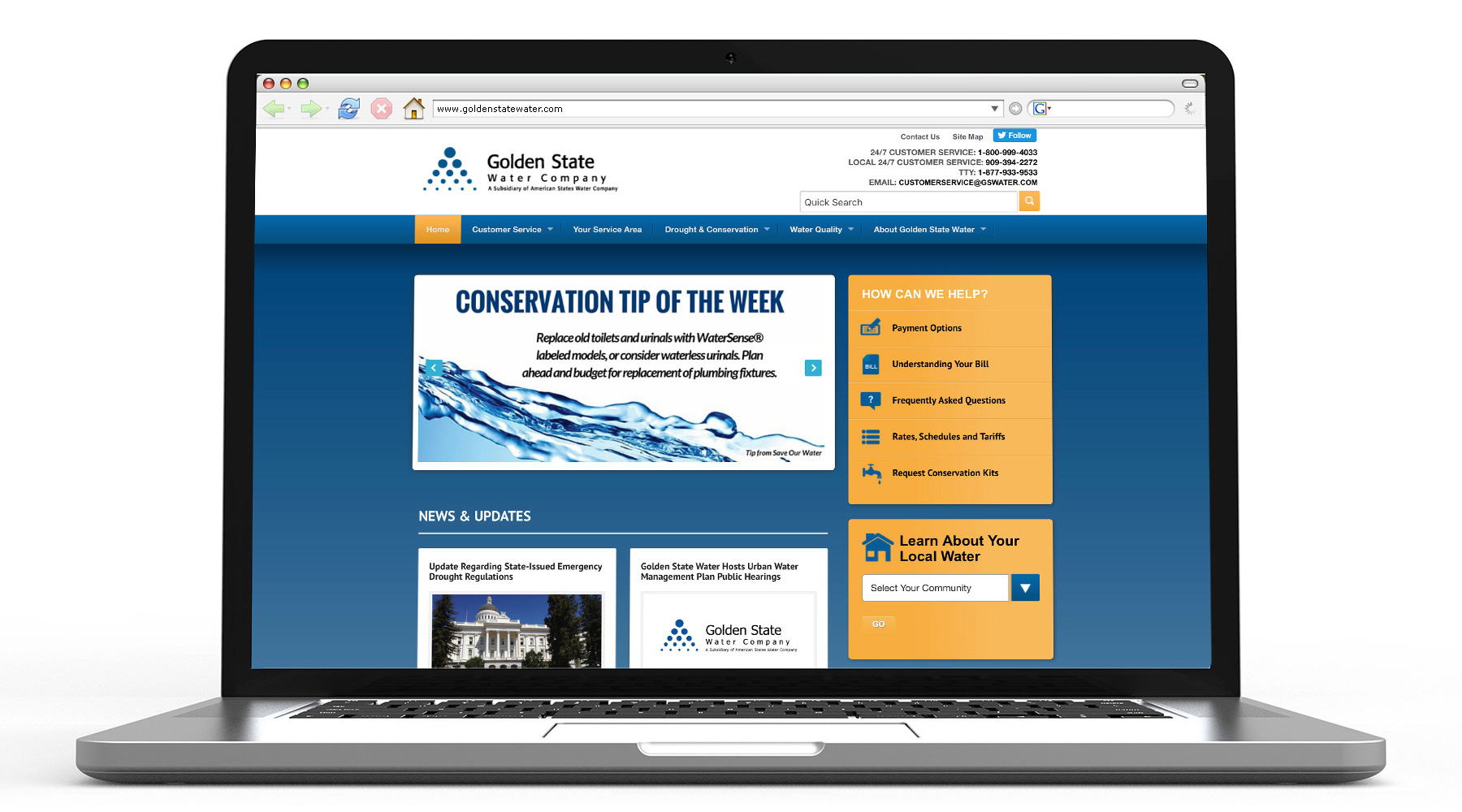
Government websites have some of the clearest accessibility obligations.
State and local governments provide essential services online every day, from paying taxes and renewing licenses to applying for permits and accessing public records. Those services must be available to everyone, including residents with disabilities.
The Department of Justice has adopted WCAG 2.1 Level AA as the accessibility standard for state and local government websites under Title II of the ADA, giving agencies clear technical guidance for meeting accessibility requirements.
For public agencies, accessibility is no longer simply a best practice. It's part of delivering public services.
Healthcare Providers
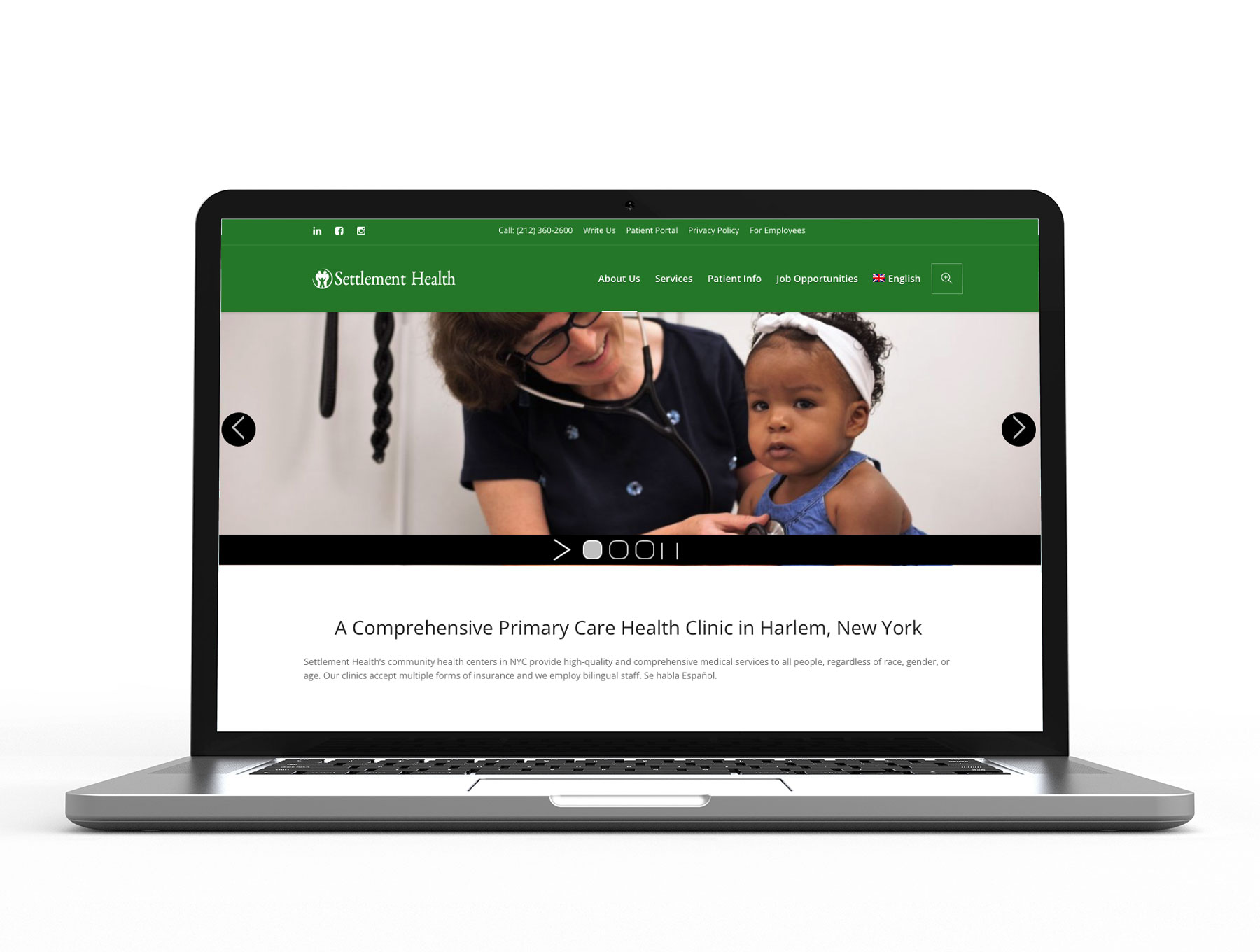
Healthcare organizations depend on their websites for far more than marketing.
Patients schedule appointments, complete intake paperwork, review test results, access patient portals, refill prescriptions, and learn about medical services online. If those tools aren't accessible, patients may struggle to receive the care they need.
Hospitals, physician practices, dental offices, physical therapy clinics, behavioral health providers, and other healthcare organizations should make accessibility part of every website update and redesign.
Retail and E-Commerce
Many businesses assume accessibility requirements apply only to companies with physical storefronts. In reality, online shopping has become one of the most active areas of website accessibility litigation.
Customers expect to browse products, compare options, add items to a cart, and complete purchases without unnecessary barriers. Something as simple as an inaccessible navigation menu or an unlabeled checkout form can prevent a customer from completing an order.
An accessible shopping experience also creates happier customers, fewer abandoned carts, and a smoother purchasing process for everyone.
Restaurants and Hospitality
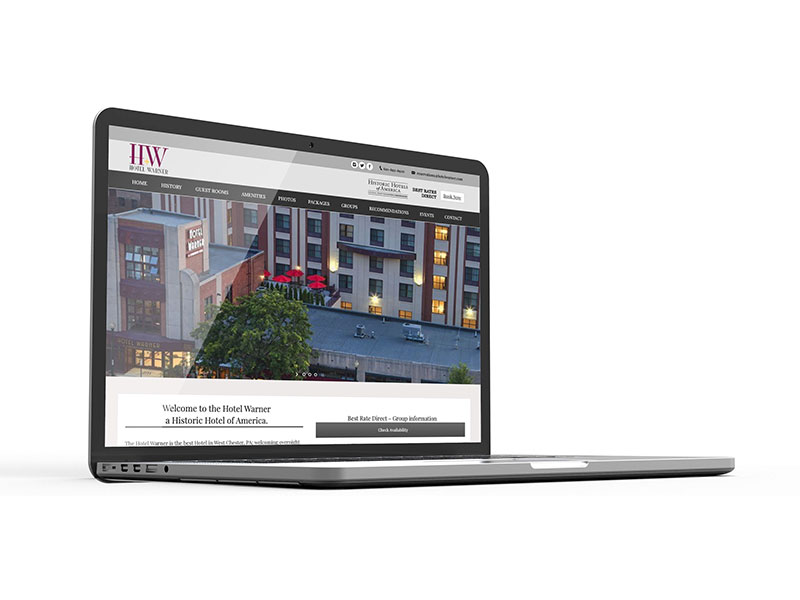
Restaurants, hotels, resorts, event venues, and tourism businesses all rely heavily on their websites.
Guests view menus, make reservations, book rooms, purchase tickets, browse photos, and request information long before they arrive in person.
Accessible websites help ensure every guest has equal access to that information. Features such as keyboard-friendly navigation, descriptive image text, accessible reservation forms, and readable menus improve the experience for everyone planning a visit.
Financial Services
Banks, credit unions, insurance agencies, mortgage companies, and investment firms increasingly conduct business online.
Customers use websites to open accounts, submit applications, review statements, make payments, and communicate with financial advisors.
Accessibility is especially important when websites contain forms, calculators, secure portals, and other interactive tools that people rely on to manage important financial decisions.
Educational Institutions
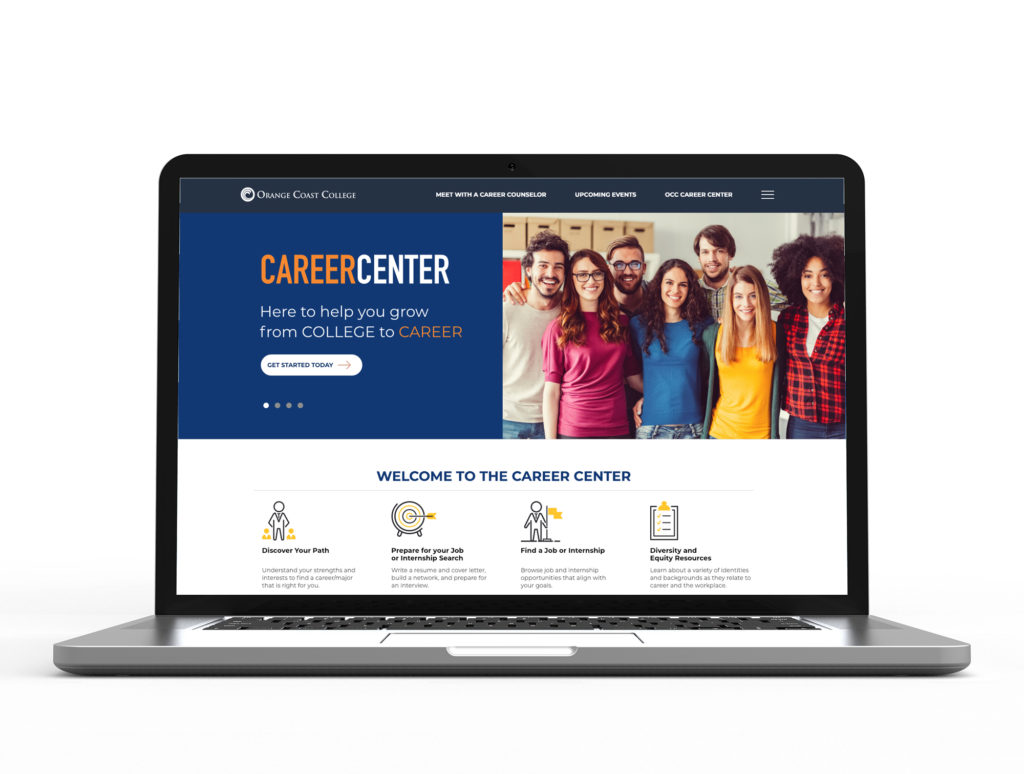
Schools, colleges, universities, training providers, and educational nonprofits serve students with a wide range of abilities and learning needs.
Course registration, admissions, financial aid information, online learning platforms, and student resources should all be accessible.
Accessibility also supports faculty, staff, parents, and community members who depend on educational websites throughout the year.
Professional Service Firms
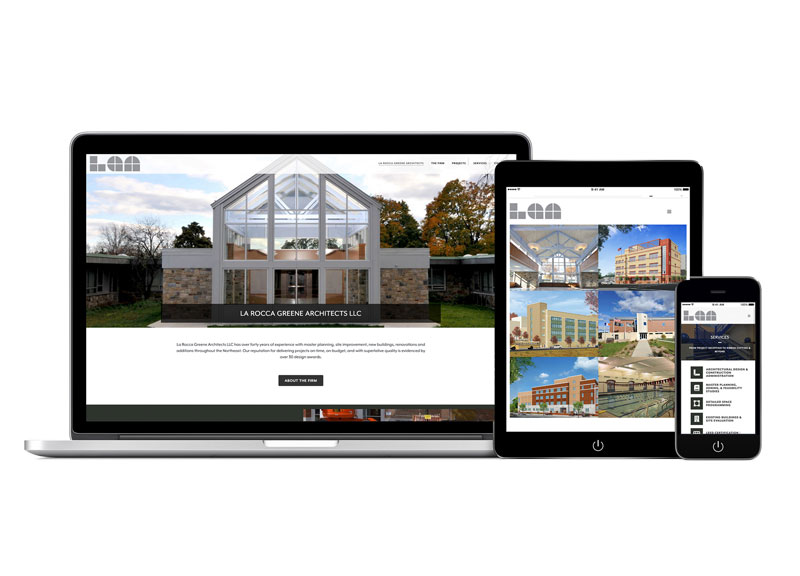
Law firms, accounting firms, engineering companies, architects, consultants, marketing agencies, and other professional service businesses often collect leads and communicate with clients through their websites.
Contact forms, downloadable resources, appointment scheduling, and client portals should all be accessible.
Even organizations with relatively simple websites benefit from making sure visitors can easily access information and reach the business.
Nonprofit Organizations
Nonprofits exist to serve their communities, making accessibility an important part of fulfilling their mission.
Visitors may need to make donations, register for events, apply for assistance, volunteer, or access educational resources. An accessible website helps ensure those opportunities are available to everyone.
Many nonprofits also receive government funding or work closely with public agencies, creating additional accessibility expectations.
Manufacturers and Industrial Companies
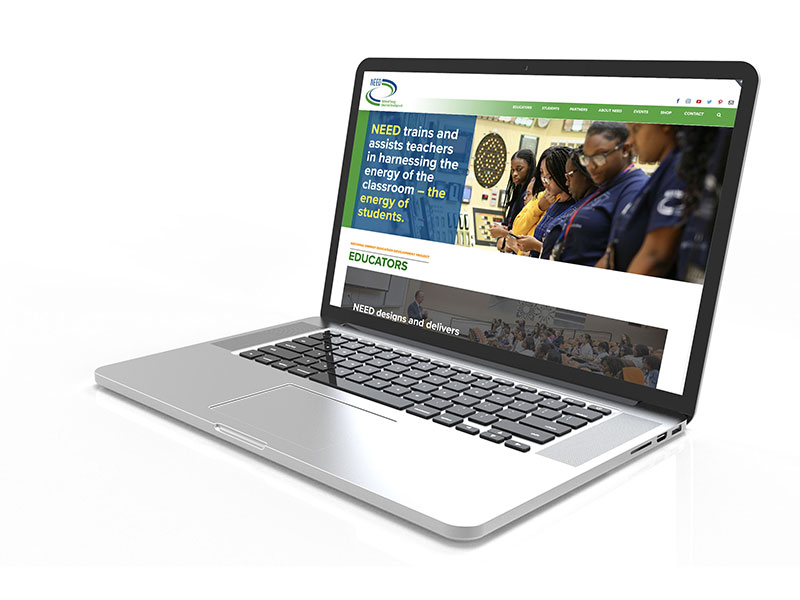
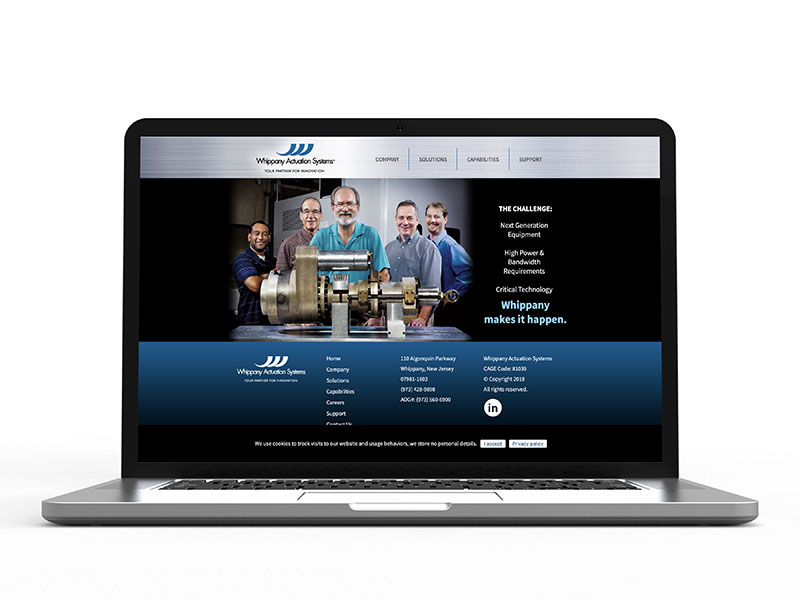
Manufacturing businesses sometimes assume accessibility is less important because they don't sell directly to consumers.
In reality, their websites often provide product documentation, safety information, employment opportunities, distributor resources, and customer support. Making those resources accessible improves usability for employees, customers, vendors, and job applicants alike.
Small Businesses
One of the biggest misconceptions about website accessibility is that it only matters for large corporations.
Small businesses are frequently named in accessibility lawsuits because their websites provide services to the public in much the same way larger organizations do.
The size of your company doesn't change the value of creating a website that's usable by every visitor.
If customers can purchase products, request estimates, schedule appointments, complete forms, or access important information online, accessibility deserves your attention.
Does Every Website Need to Be ADA Compliant?
There isn't a simple checklist that determines whether every website falls under the ADA.
The answer depends on factors such as the type of organization, the services it provides, and how visitors use the website. That's one reason accessibility conversations often focus on reducing barriers rather than searching for a legal loophole.
For most organizations, the better question is:
Can every customer, client, patient, or visitor use our website successfully?
If the answer is uncertain, an accessibility audit can identify issues before they become larger problems.
Accessibility Is an Ongoing Process
Accessibility isn't something that's completed once and forgotten.
Websites change constantly. New pages are published. Images are added. Forms are updated. Videos are uploaded. Every change has the potential to introduce new accessibility issues.
Organizations that consistently maintain accessible websites typically build accessibility into their normal workflow. Designers consider accessibility during planning. Developers follow accessibility standards while building new features. Content editors understand how to write alternative text, structure headings, and create accessible documents.
That approach keeps accessibility manageable and avoids larger remediation projects later.
How to Know Where Your Website Stands
Many organizations are surprised to learn their websites have accessibility issues they never noticed.
An accessibility audit provides a clear picture of how your website performs for people using assistive technology and identifies opportunities for improvement. Automated testing can uncover common issues, while manual testing evaluates the real-world experience that software alone can't measure.
At pondsoup, we combine both approaches to help organizations understand where barriers exist and develop a practical plan for improving accessibility.
Frequently Asked Questions
Build a Website That Works for Everyone
Accessibility isn't simply about meeting standards or keeping up with changing regulations. It's about creating a website that every visitor can use with confidence.
Whether you're planning a new website or evaluating an existing one, understanding where accessibility barriers exist is the first step. At pondsoup, we help organizations identify those barriers, prioritize improvements, and build websites that deliver a better experience for everyone.