ADA Website Audits

Our ADA compliance audit is part technical review, part usability review, and part risk assessment. For WordPress websites, the goal is to identify the accessibility barriers preventing people from fully using your site and then create a clear roadmap for fixing them.

Pondsoup approaches accessibility audits as both a compliance issue and a quality issue. A website that works better for screen readers, keyboard navigation, captions, color contrast, and semantic structure also tends to work better for everyone else, including Search Engines.

Step 1

Discovery & Review

We begin by reviewing the structure of your WordPress site, including:

  • Theme architecture
  • Plugins and third-party integrations
  • Templates and page builders
  • Navigation systems
  • Forms, popups, and ecommerce functionality
  • PDFs, media, and downloadable assets

Not every WordPress site is built the same way. A bespoke Gutenberg build behaves differently than a heavily customized Elementor or Divi installation, and accessibility issues often originate from the way the site is constructed.

This first phase helps us understand where the highest-risk accessibility problems are likely to exist.

Step 2

Automated Accessibility Scanning

Next, we run automated scans across key page templates and core site sections. These tools help identify common WCAG 2.1 accessibility violations such as:

  • Missing alternative text
  • Improper heading structure
  • Low color contrast
  • Empty buttons or links
  • Form labeling issues
  • ARIA misuse
  • Duplicate IDs
  • Missing document language declarations

Automated testing is useful, but it only catches part of the picture. Most accessibility problems cannot be fully identified by software alone, which is why manual testing is critical.

Step 3

Manual Accessibility Scanning

This is where the real audit happens.
We manually review the site using assistive technology and accessibility testing workflows to evaluate how actual users experience the website. This includes:

  • Keyboard-only navigation
  • Screen reader compatibility
  • Focus states and tab order
  • Navigation consistency
  • Modal and popup behavior
  • Form usability
  • Responsive accessibility on mobile devices
  • Error handling and validation messaging

We test how content is announced, whether users can navigate without a mouse, and whether important interactions become confusing or inaccessible under real-world conditions.

A site can technically “pass” an automated scan while still being frustrating or impossible for users with disabilities to navigate. Manual testing closes that gap.

Step 4

WCAG Standards Review

Findings are evaluated against WCAG 2.1 guidelines, the current standard most commonly referenced in ADA-related website accessibility matters.
We categorize issues by severity and impact, helping businesses understand:

  • What creates the greatest usability barriers
  • What presents the highest legal exposure
  • What should be fixed immediately versus phased over time

For WordPress websites specifically, we also identify whether issues stem from:

  • Theme limitations
  • Plugin conflicts
  • Content entry practices
  • Custom development
  • Third-party embeds or widgets

That distinction matters because accessibility remediation is often as much about process as code.

Step 5

Report & Remediation Plan

After the audit, we provide a detailed accessibility report outlining:

  • Identified issues
  • Affected pages or templates
  • Relevant WCAG criteria
  • Recommended fixes
  • Priority levels for remediation

We avoid delivering vague “accessibility scores” without context. 
For some businesses, this becomes a working roadmap for ongoing accessibility improvements. For others, it becomes the remediation plan Pondsoup executes for you.

Step 6

Remediation & Retesting

This is where our ADA Compliant Website Design services come into play. We'll remediate your site to WCAG2.1 standards, prepare an accessibility statement, and provide VPAT documentation.

Once fixes are implemented, we retest the affected areas to verify improvements and identify any remaining issues.
Because WordPress websites evolve constantly through plugin updates, content changes, and redesigns, accessibility compliance should be treated as an ongoing maintenance process rather than a single event. We can periodically retest your site to ensure continued compliance, if you would like.

Why Accessibility Audits Matter

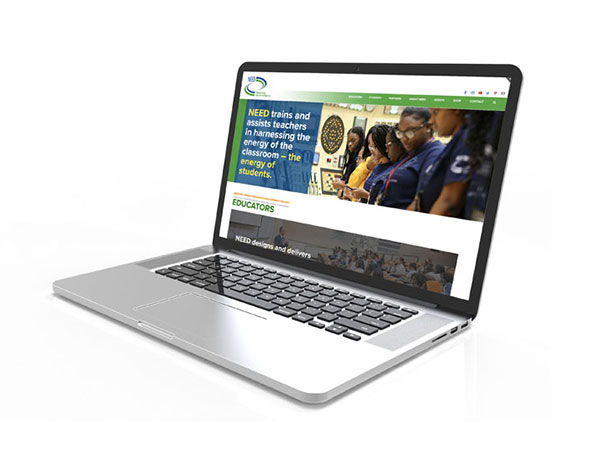
Web design and development for NEED by pondSoup

ADA compliance audits help businesses:

  • Improve usability for all visitors
  • Reduce legal exposure
  • Strengthen SEO and site structure
  • Improve mobile and keyboard navigation
  • Create a better overall customer experience

In many cases, accessibility improvements also uncover broader UX and development problems that have been affecting conversion rates and usability for years without anyone realizing it.
A properly conducted audit gives you clarity on where your site stands, what needs attention, and how to move forward. Contact Pondsoup to conduct a free basic audit on your website today.