
If you've been reading about website compliance, you've definitely come across two terms that seem be used similarly: ADA compliance and Section 504 compliance.
Both address accessibility for people with disabilities. Both can apply to websites and digital services. And both can involve WCAG, the Web Content Accessibility Guidelines. But there is a difference.
The biggest distinction comes down to who the law applies to and why.
The Americans with Disabilities Act (ADA) is a civil rights law that applies to government entities and many businesses and organizations that serve the public. Section 504 of the Rehabilitation Act applies to programs and organizations that receive federal financial assistance. For some organizations, both laws may apply at the same time.
Understanding which requirements apply to your organization is an important part of building and maintaining an accessible website.
What Is ADA Website Compliance?
The Americans with Disabilities Act was passed in 1990 to protect people with disabilities from discrimination. The law covers several areas of public life, including employment, government services, transportation, and businesses that serve the public.
For websites, the basic principle is straightforward: people with disabilities should have equal access to the goods, services, and information an organization provides online.
The Department of Justice has stated that ADA requirements apply to goods, services, privileges, and activities offered by businesses and government entities through the web. At the same time, the ADA does not provide businesses with a single detailed technical checklist for website development. That's where WCAG comes in.
What Is Section 504 Compliance?
Section 504 is part of the Rehabilitation Act of 1973. It prohibits discrimination based on disability by programs and activities that receive federal financial assistance.
A private business that doesn't receive federal funding may have ADA obligations but no Section 504 obligations. A healthcare organization, educational institution, nonprofit, or other organization receiving federal financial assistance may have obligations under both laws. Section 504 has also become increasingly important for website accessibility.
In 2024, the U.S. Department of Health and Human Services finalized regulations requiring covered recipients of HHS funding to make their web content and mobile applications accessible in accordance with WCAG 2.1 Level AA, subject to specified exceptions.
As of 2026, HHS has extended those compliance deadlines by one year. Covered recipients with 15 or more employees have until May 11, 2027, while recipients with fewer than 15 employees have until May 10, 2028. For organizations covered by the rule, this makes website accessibility a specific regulatory requirement under Section 504.
ADA vs. Section 504: What's the Difference?
The easiest way to think about the two laws is to look at their coverage.
| ADA | Section 504 | |
|---|---|---|
| Law | Americans with Disabilities Act | Rehabilitation Act of 1973 |
| Primary purpose | Prohibits disability discrimination across covered public and private settings | Prohibits disability discrimination in programs receiving federal financial assistance |
| Who may be covered? | Government entities and businesses and organizations covered by the ADA | Organizations and programs receiving federal financial assistance |
| Website accessibility | Applies to covered goods, services, programs, and activities provided online | Applies to covered programs and activities, including web and mobile content |
| Technical standard | ADA does not provide one universal website standard for all covered organizations | Certain Section 504 regulations specifically require WCAG 2.1 AA |
| Can both apply? | Yes | Yes |
The important takeaway is that ADA and Section 504 are separate laws with overlapping accessibility goals.
They don't mean the same thing, and being subject to one doesn't automatically mean you're subject to the other.
Who Could Potentially Need to Follow Section 504?
Section 504 applies to organizations receiving federal financial assistance, so the question isn't simply what industry you're in.
A healthcare organization may receive funding through federal programs. A university may receive federal financial assistance. A nonprofit may receive federal grants. That funding can bring Section 504 responsibilities with it.
HHS specifically identifies healthcare providers and other health and human service organizations as industries affected by its Section 504 rules.
If your organization receives federal funding, you have to determine which federal agency provides the funding and which Section 504 requirements apply to your programs and services.
Healthcare Organizations
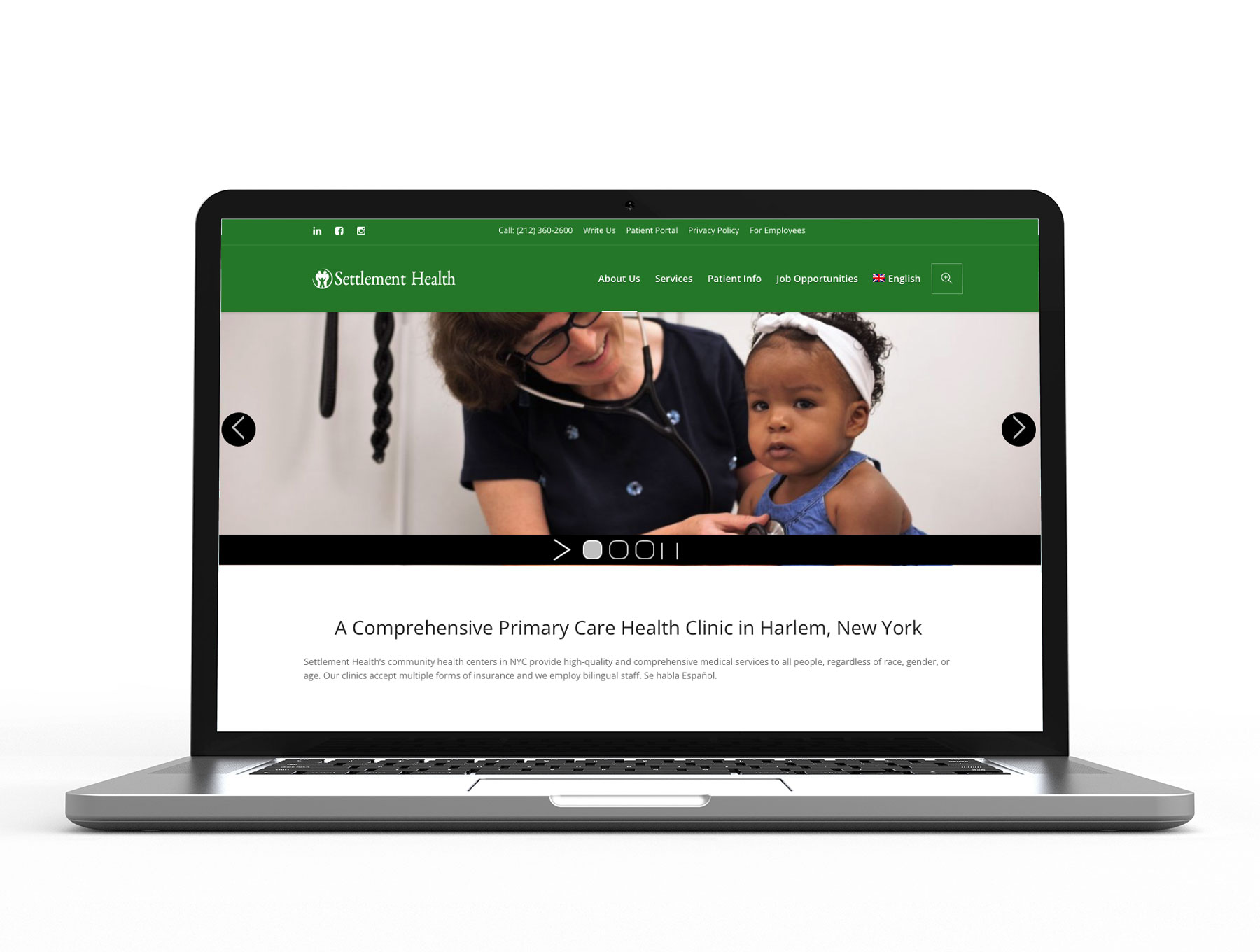
Healthcare is one area where ADA and Section 504 requirements overlap. Hospitals, clinics, healthcare providers, and other organizations have responsibilities under the ADA, Section 504, and other federal laws depending on their structure and funding.
Their websites also contain a lot of essential information and functionality. Patients use them to schedule appointments, complete forms, access patient portals, find medical information, or communicate with providers. An inaccessible website creates a barrier to receiving services.
HHS's Section 504 rule addresses accessibility of web content and mobile applications for covered recipients.
Schools and Educational Institutions
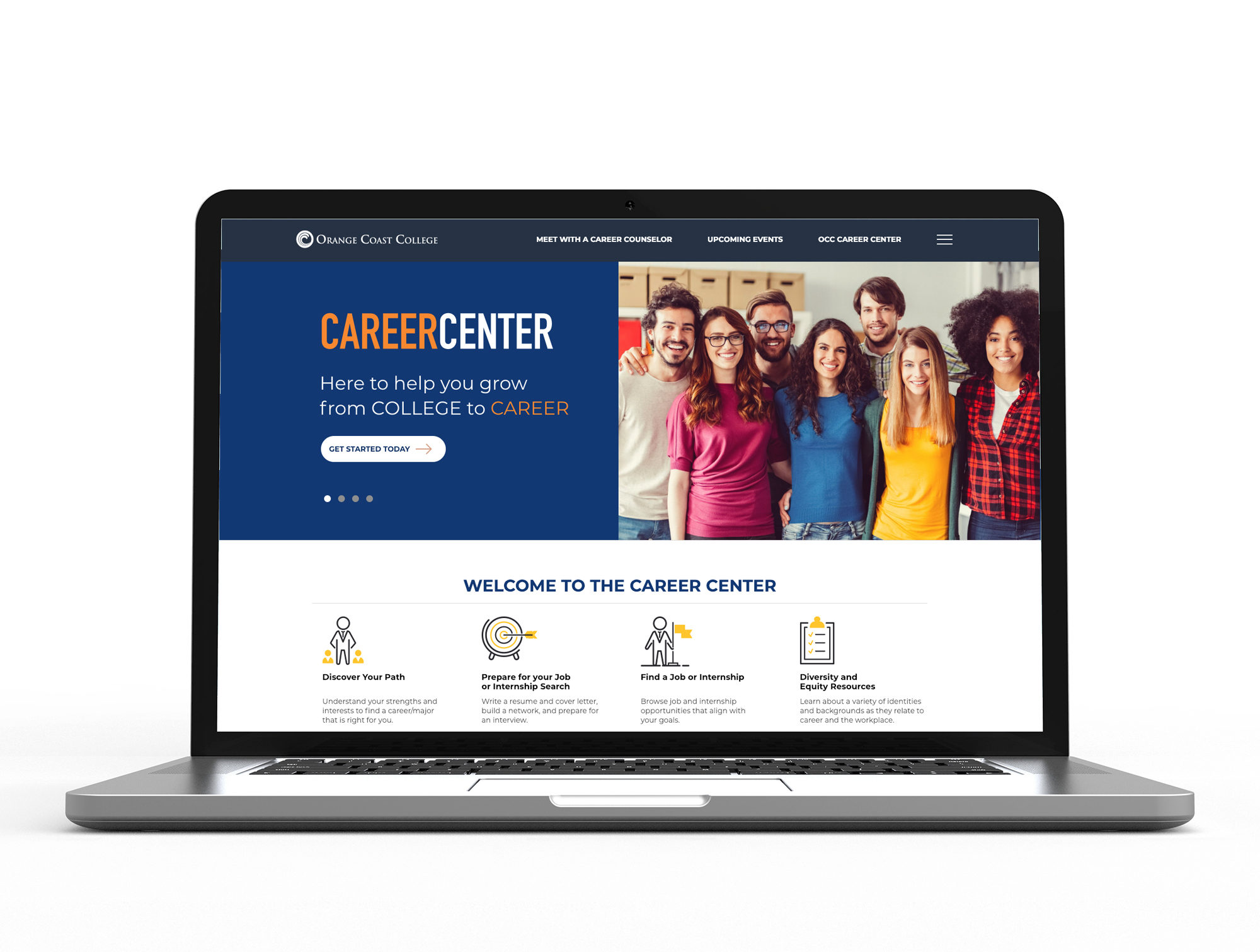
Educational institutions have obligations under multiple accessibility laws. Schools, colleges, universities, and other educational programs often receive federal financial assistance, bringing Section 504 into play. They probably also have obligations under the ADA and other federal laws.
Their websites and digital platforms potentially include admissions and registration, course materials, financial aid information, and student services. Accessibility has to extend across those experiences.
Nonprofit Organizations
Receiving a federal grant can change the accessibility requirements that apply to nonprofits. A nonprofit organization that gets federal financial assistance may have Section 504 responsibilities as well as any obligations it has under the ADA.
That makes it important for nonprofit organizations to look beyond their public-facing website. Online donation forms, event registration, applications, educational resources, and other digital services might all be part of the programs they provide, and need to be accessible.
State and Local Governments
State and local governments have specific ADA Title II requirements for website and mobile app accessibility. The Department of Justice adopted WCAG 2.1 Level AA as the technical standard for covered web content and mobile applications. In April 2026, DOJ extended the compliance dates by one year. State and local governments serving populations of 50,000 or more now have until April 26, 2027, while smaller public entities and special district governments have until April 26, 2028.
That makes 2026 an important year for government agencies to evaluate their websites, content, and internal accessibility processes.
What Does WCAG Have to Do With It?
ADA and Section 504 are laws. WCAG is a set of technical accessibility guidelines.
WCAG provides specific criteria for making digital content accessible, including requirements involving keyboard navigation, color contrast, alternative text, forms, headings, captions, focus states, and compatibility with assistive technologies.
For some organizations, WCAG is a practical benchmark for addressing ADA accessibility. For certain Section 504-covered recipients, WCAG 2.1 AA is now incorporated into the applicable regulations.
That difference is important when discussing website compliance because there is no single WCAG requirement that automatically applies to every website in the country. The requirements depend on the organization and the law that applies to it.
What Should Your Organization Do?
The first step is figuring out which laws and regulations apply to your organization. If you receive federal financial assistance, determine whether Section 504 applies and which federal agency's regulations govern your funding.
If you operate a public-facing business or organization, evaluate your responsibilities under the ADA. Then look at the website itself.
An accessibility audit can identify issues involving navigation, forms, images, headings, contrast, multimedia, mobile functionality, and assistive technology. Automated testing can identify many common problems, while manual testing is necessary to understand how the site actually works for people using keyboards and screen readers.
For organizations that have to follow specific WCAG requirements, the audit should be measured against the correct version and conformance level.
Website Compliance Is an Ongoing Process
Websites change constantly. New pages are added, images are uploaded, forms are modified, videos are published, and third-party tools are installed. These changes can introduce accessibility problems. That's why accessibility should be part of the website's ongoing maintenance process.
A regular website audit can help catch problems before they become larger issues.
How Pondsoup Can Help
Understanding which accessibility laws apply to your organization can be complicated. Making the website accessible shouldn't be.
At pondsoup, accessibility is a part of website design and development. We audit existing websites to identify accessibility barriers, test key functionality manually, provide a clear list of priorities for remediation, and then execute to make your website ADA compliant.
For organizations building a new website, we create ADA compliant website design and development processes from the beginning.
If you're trying to determine where your website stands, we can help you understand what needs attention and develop a practical plan for improving your website compliance. Contact us today.
Frequently Asked Questions
Making Sense of Website Compliance
ADA and Section 504 compliance involve different legal requirements, but the goal is the same: people with disabilities should have access to the information, services, and programs an organization provides.
For organizations trying to improve their website compliance, knowing which requirements apply is the first step. From there, an accessibility audit will identify the issues that need attention and give your team a clear path forward.
At pondsoup, we help organizations make their websites more accessible through auditing, remediation, design, and development. If you're not sure if your website is Section 504 compliant, let's take a look.
Looking for help with Section 504 website compliance?
Pondsoup can help. Fill out the form below or email info@pondsoup.com and we can provide you a free ADA compliance audit to find out where you stand.